Exporting heavy machinery like excavators requires careful planning—one small misstep can lead to delays, damage, or unexpected costs. After handling several recent excavator shipments, our team has summarized key lessons to help you streamline the process. Below are three non-negotiable considerations to keep in mind:
1. Prioritize Flat Rack Containers Over Bulk Carriers
When choosing shipping methods, flat rack containers (FRCs) are always the better choice for excavators—steer clear of bulk carriers whenever possible.
Why? Bulk carriers lack targeted protection for heavy equipment. During loading, unloading, or transit, excavators are vulnerable to accidental collisions with other cargo or the ship’s structure. These impacts can scratch exteriors, bend components, or even damage critical parts like hydraulic systems—costing you time and money to repair, not to mention potential disputes with clients.
Flat rack containers, by contrast, allow for secure fastening (e.g., using chains or straps) and create a dedicated space for the excavator. This minimizes movement and shields the machine from external damage, ensuring it arrives at the destination in the same condition as when it left.
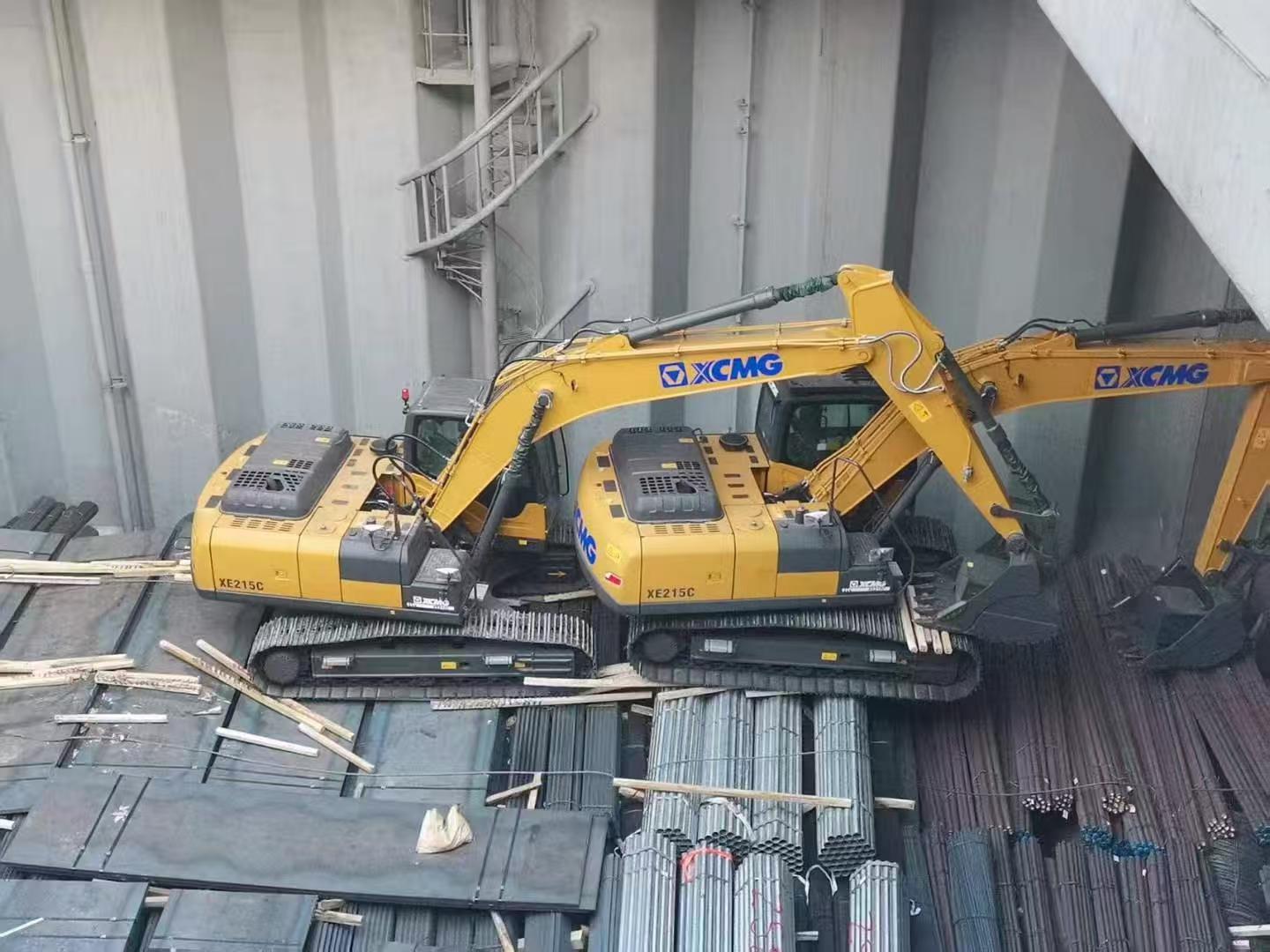
By Bulk Carriers
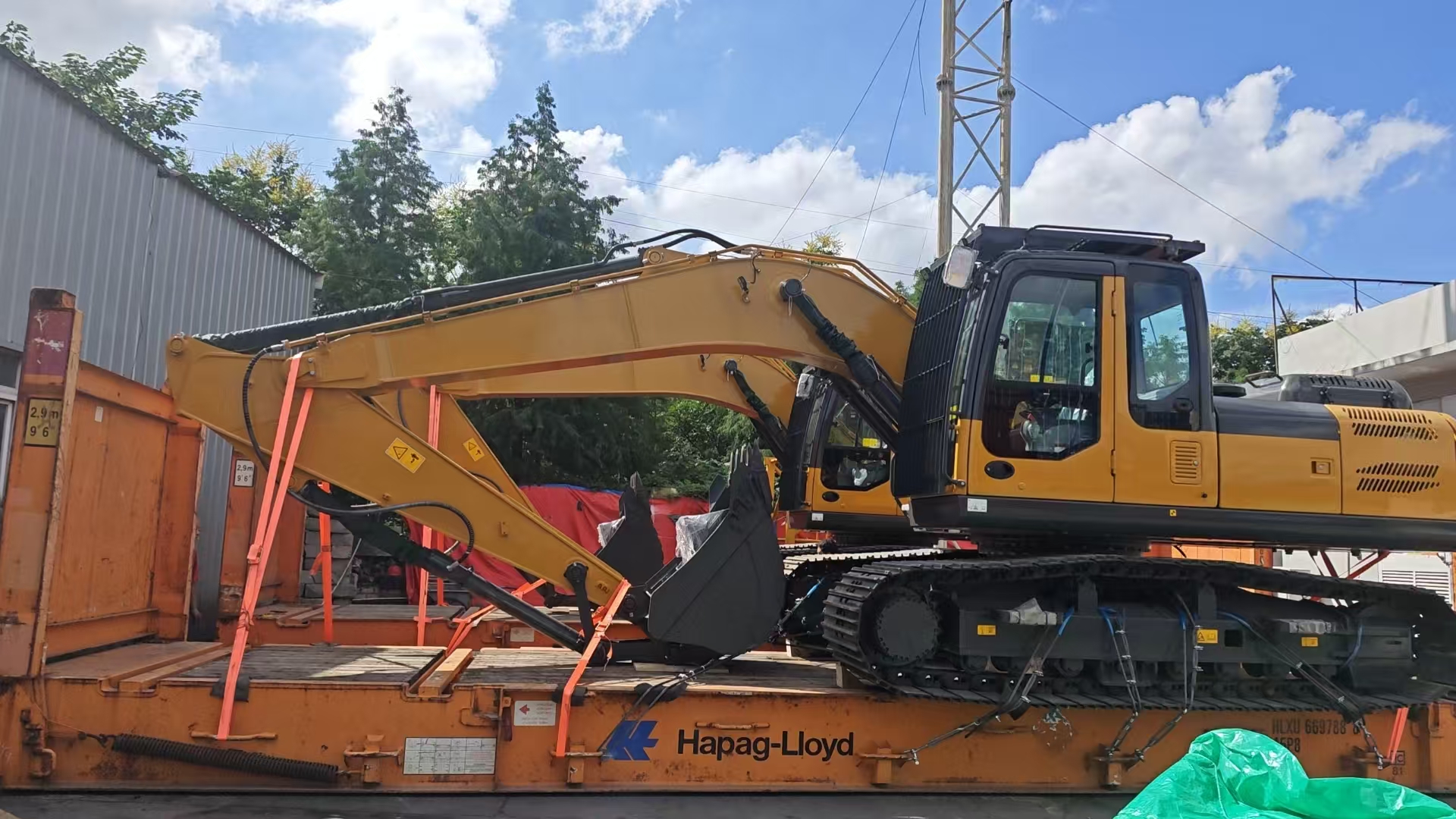
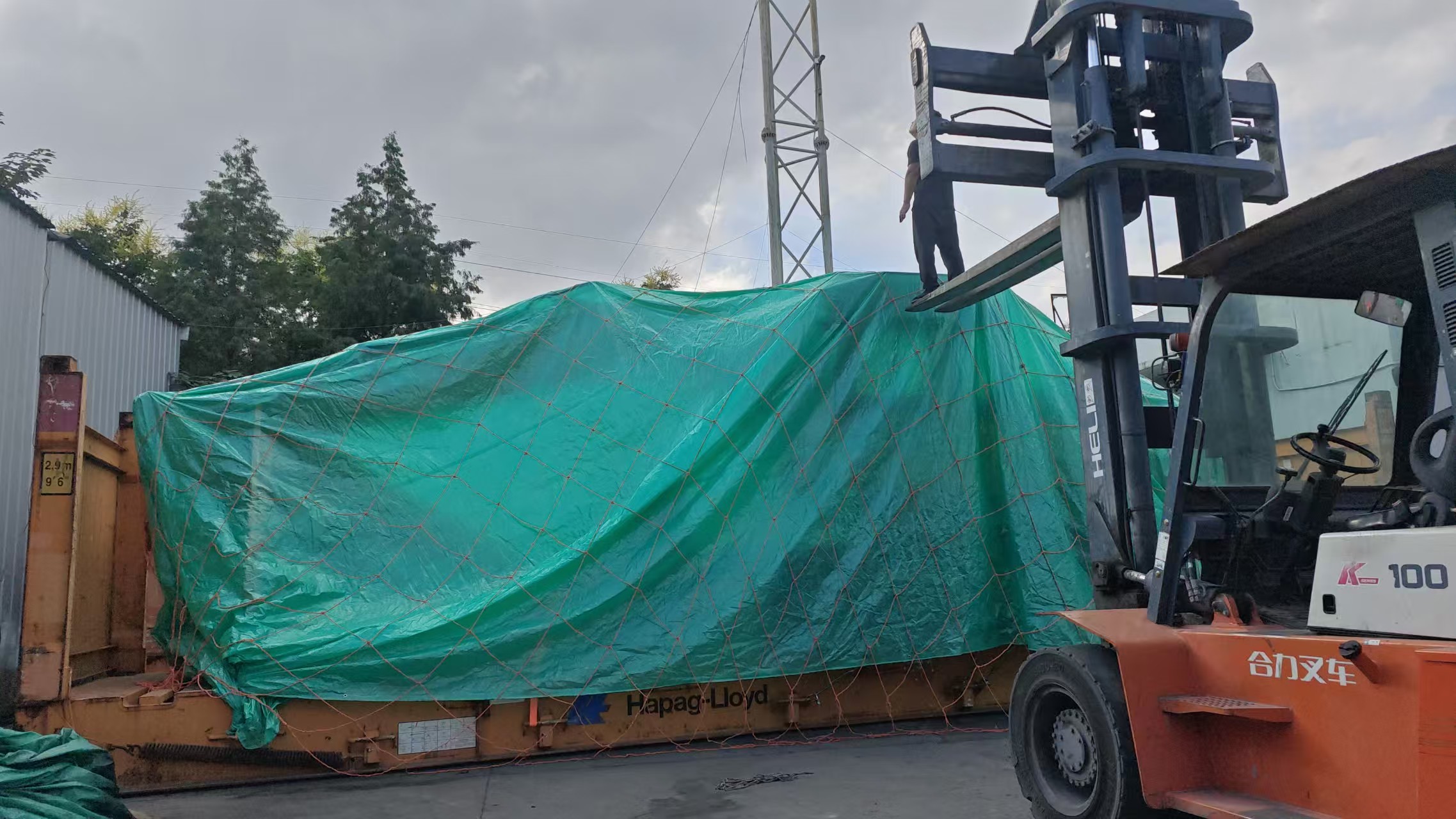
By Flat Rack Container
2. Never Skip the Machine Nameplate—No Exceptions
Whether the excavator is a standard model or a customer-customized unit, it must have a visible, legible nameplate before shipment. This is non-negotiable, even if the client says they don’t need it.
The reason is simple: Customs authorities in most countries require nameplates to verify key information (e.g., model number, manufacturing date, weight, and technical specifications) during inspections. Without a nameplate, customs will not clear the shipment—leading to costly delays, storage fees, or even the excavator being held indefinitely.
We’ve seen cases where clients insisted “a nameplate isn’t necessary,” only to have the cargo stuck at the port for weeks. Save yourself the hassle: Double-check that the nameplate is properly attached and readable before handing over the excavator to the freight forwarder.
3. Vet Your Freight Forwarder’s Loading Crew for Proficiency
Before finalizing a freight forwarder, always confirm that their loading crew has experience handling excavators—this step will save you from countless headaches.
Here’s a key lesson from our recent shipments: Most crawler excavators have a track width wider than the standard flat rack container. For safe loading, the excavator operator must drive the machine onto the flat rack directly (rather than relying on cranes or other equipment, which can misalign the tracks or cause damage).
If the loading crew is inexperienced, they may attempt improper methods (e.g., using cranes to lift the excavator onto the container) or struggle to align the tracks—leading to delays, scratches, or even accidents. Ask your forwarder for proof of past excavator loading projects, or explicitly state that only experienced crews should handle the job.
Final Thoughts
Exporting excavators is a detail-oriented process, but these three tips will help you avoid the most common pitfalls. By choosing flat racks, ensuring nameplate compliance, and vetting your forwarder’s crew, you’ll protect your equipment, keep shipments on track, and maintain trust with your clients.
Have you encountered other challenges when exporting excavators? Share your experiences in the comments—we’d love to learn from your insights! www.amdigger.com


